World Desk: Today Indian scholars lament that the Congress missed the boat by not accepting the Cabinet Mission Plan. Ever since the independence of Pakistan, India has tried to undo it by all means, while blaming Pakistan for nurturing terrorism. India, often portrayed as a victim, is also described as a fountain of state terrorism, attempting to project itself as a regional and even global stabilizer among super powers. In contrast, it is argued that Pakistan established itself as a stabilizer between super powers, as noted by a former RAW chief.
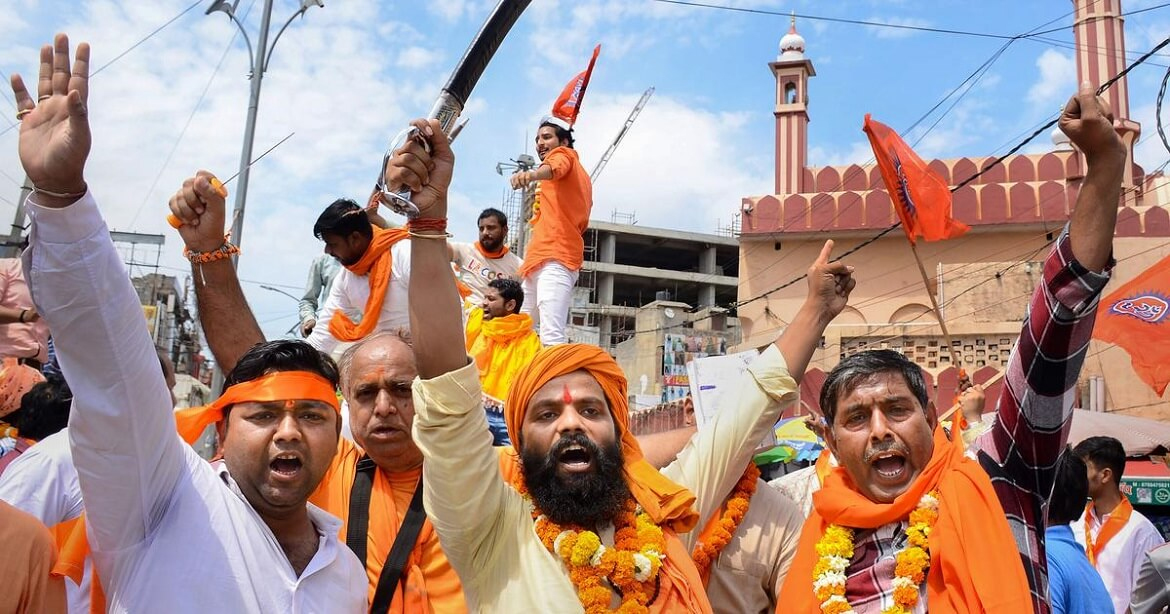
The ideological journey of Bharatiya Janata Party began from its roots in Hindu nationalism, while its ideological ecosystem, including Rashtriya Swayamsevak Sangh, expanded influence through education systems and institutions. Post-Babri Mosque developments strengthened its parliamentary presence and consolidated its political identity. It is argued that a structured ideological system was built, where Hindus are projected as sons of the soil while minorities, particularly Muslims, face targeting. RSS-linked institutions expanded education networks, enabling ideological penetration into bureaucracy, military, judiciary and foreign services, gradually shaping state structures.
Secondly, the BJP-led government undertook massive modernization and armament of defence forces. Diaspora-linked organizations and intelligence outreach expanded globally, where India’s economic rise and IT sector growth supported strategic ambitions. Thirdly, an aggressive foreign policy based on ideological perspectives was pursued. Neighbouring countries were often treated dismissively, while regional groupings like SAARC were weakened. India shifted away from non-alignment and moved closer to the United States camp, redefining its global posture.
India’s strategic alignment with the United States has two core objectives: countering international pressure on Kashmir after the abrogation of Articles 370 and 35A and accessing advanced technology. This alignment also pushed India closer to Israel. Under Modi’s leadership, defence and intelligence cooperation with Israel deepened, reinforced further during high-level visits. In return, Israel extended diplomatic support on Kashmir and Afghanistan-related positions. This convergence allowed strategic use of proxies, particularly against Pakistan. Simultaneously, India cultivated relations with GCC countries and made strategic inroads in Afghanistan.
However, setbacks in Galwan, Ladakh and Arunachal Pradesh, along with rising internal secessionist movements, exposed structural weaknesses. Military reverses in operations such as Operation Sandor further damaged India’s image, despite diplomatic outreach efforts abroad. The Modi–Israel alignment is seen as strategically significant, with mutual support on regional issues including Afghanistan. This development raises concerns for Pakistan, as shifting regional frontlines could increase instability originating from Afghan territory. It also symbolizes a broader India–Israel convergence perceived as increasingly adversarial toward Muslim countries. India continues to balance outreach to Gulf States while tightening internal ideological control.